.png)
.png)


Sudqi canal project


Idea Description
🌊 Derawi Tides: Coastal Canal & Artificial Salt Lake Project
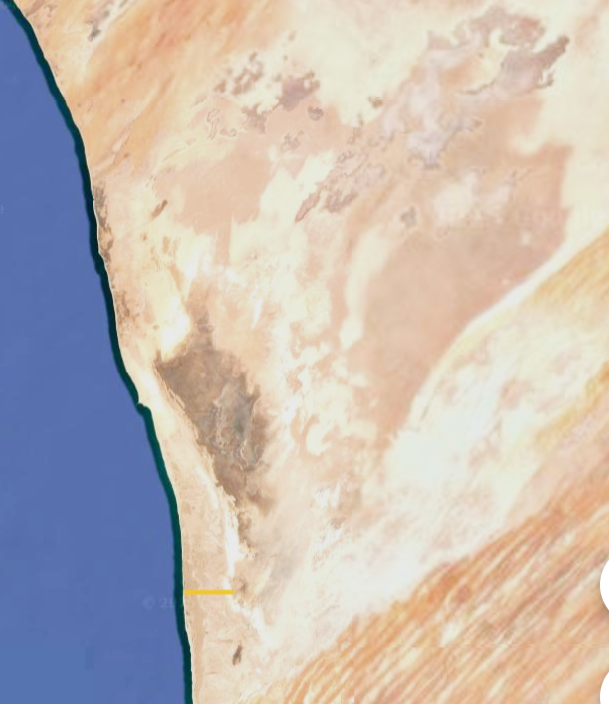
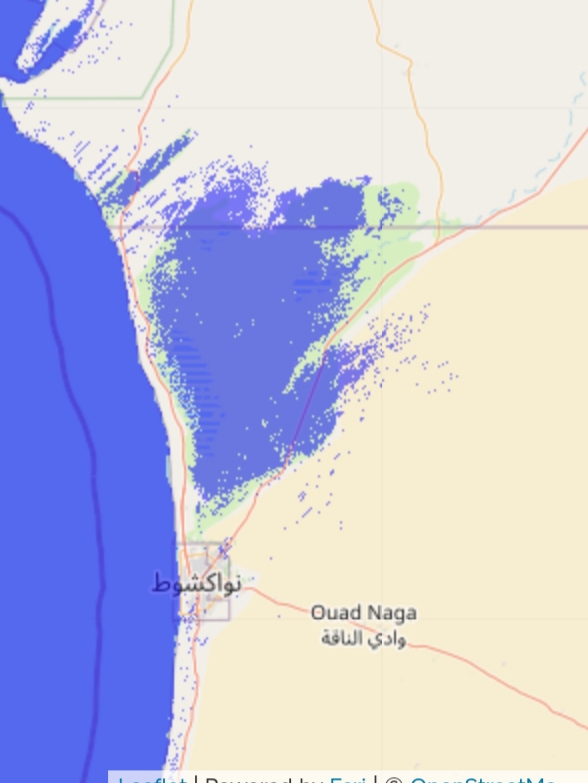
The project proposes the construction of a 7-kilometer canal to connect a large inland depression (approximately 2,000 km²) to the Atlantic Ocean. This connection would allow seawater to flow naturally into the منخفض area, forming a new artificial saltwater lake.
🔑 Key Components
1. Artificial Salt Lake Creation
- Seawater inflow fills the depression, creating a stable saltwater body.
- The lake could support marine ecosystems and controlled aquaculture.
2. Aquaculture Production
- The project aims to produce ~20,000 tons of fish annually through large-scale marine farming.
- Could include high-value species (e.g., sea bass, shrimp, or algae-based systems).
3. Tidal / Hydraulic Energy Generation
- Water flowing through the canal (especially if there’s an elevation difference) can drive turbines.
- This could generate renewable electricity similar to tidal or hydro systems.
4. Climate Impact (Carbon Capture)
- The salt lake may act as a carbon sink, potentially absorbing up to 1 million tons of CO₂ per year through:
- Algae growth
- Carbonate sediment formation
- Biological activity
Challenges The Idea is Addressing
🌍 Challenges 1.Rising global demand for fish while wild fish stocks are declining (overfishing, ecosystem stress) 2.Energy poverty and high electricity costs in Mauritania 3.Increasing CO₂ emissions and accelerating climate change 4.Limited sustainable sources of protein and food security risks 5.Dependence on fossil fuels for energy production 6.Underutilized coastal/depression land with no economic output
Benefits of Idea Implementation
✅ Benefits / Solutions 1.Produces ~20,000 tons/year of fish through sustainable aquaculture 2.Reduces pressure on wild fisheries and improves global food security 3.Generates renewable energy from water flow (tidal/hydraulic) 4.Provides affordable, clean electricity for local communities 5.Captures CO₂ using algae and saltwater ecosystem (climate mitigation) 6.Creates new economic activity, jobs, and regional development 7.Utilizes unused land by transforming it into a productive saltwater lake 8.Enables algae production for feed, biofuel, and industrial use
Keywords / Tags
#Sustainability,#ClimateAction,#Aquaculture,#BlueEconomy,#RenewableEnergy,#FoodSecurity,#Algae,#CarbonCapture,#GreenInnovation,#CleanEnergy,#OceanTech,#FutureOfFood,#EcoInnovation,#ClimateSolutions,#SustainableDevelopment,#EnergyTransition,#MarineFarming,#CircularEconomy,#GreenProjects,#AfricaInnovation,#Mauritania,#WaterEngineering,#ImpactProject,#ClimateTech,#BioEconomy
Embedded Youtube Video
Keywords / Tags
Team Members

Bio
Skills
Intrests
Resources

177417921950logo picture (1).png
Last Update:- 22 March 2026
177417921951depression .png
Last Update:- 22 March 2026

177417921951IMG_20260311_160204.jpg
Last Update:- 22 March 2026
Similar Ideas




 14 July 2025